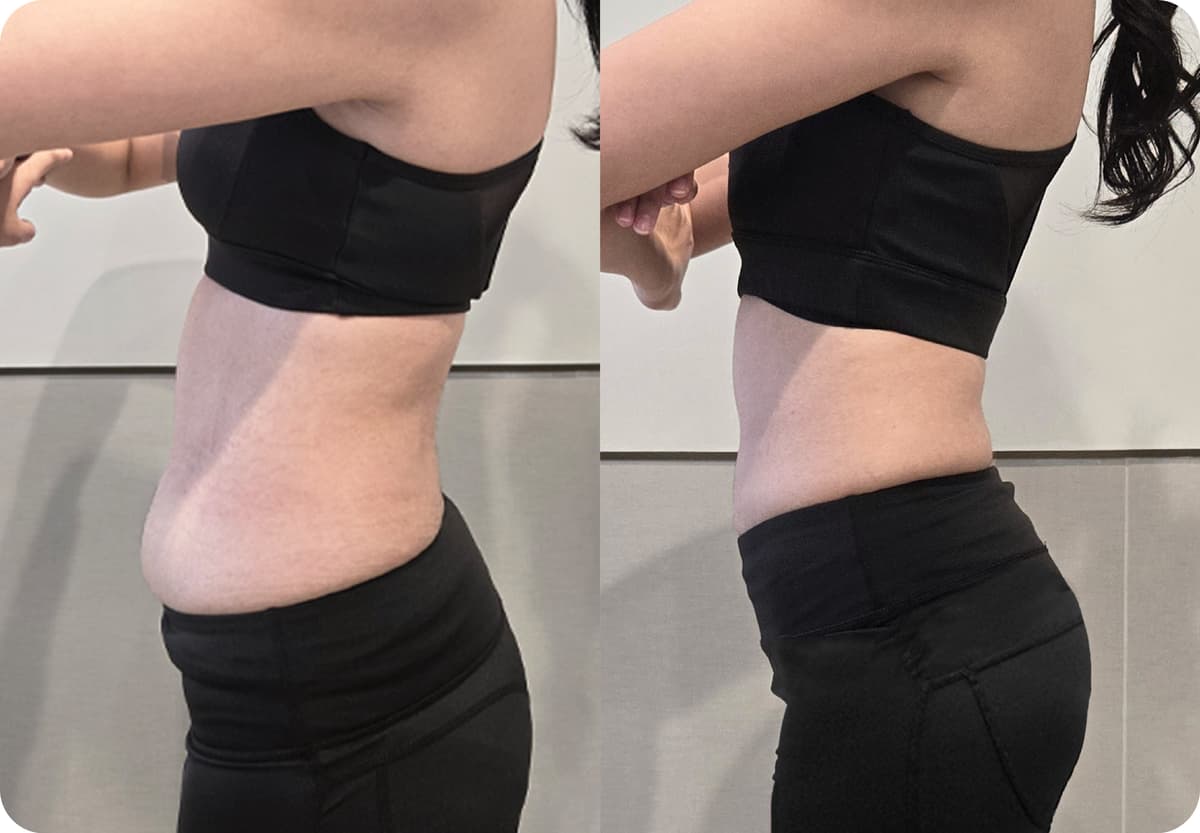
Why Does Skin Become Loose or Saggy?
The skin naturally contains structural proteins called collagen and elastin, which play an important role in maintaining its firmness, elasticity, and overall structure.
Over time, collagen and elastin production gradually declines. As a result, the skin may become thinner, less elastic, and more prone to looseness or sagging.
Aging is not the only factor that can contribute to these changes. Other factors may include:
The degree of skin laxity can vary considerably from one person to another, which is why identifying the underlying concern is an important part of choosing the appropriate treatment.
Not All Sagging Skin Is the Same
Although different types of loose skin may look similar at first glance, they can be caused by different changes beneath and within the skin.
For some people, the primary issue is tissue sagging, where the tissue begins to descend and changes the contour of the face or body.
For others, the position of the tissue may still be relatively stable, but the skin has lost elasticity due to declining collagen and elastin levels. This can make the skin appear loose, thin, or less firm.
In some cases, both concerns may occur at the same time.
Because the causes can differ, doctors do not simply evaluate whether the skin “looks loose.” They may also assess skin quality, elasticity, tissue position, degree of laxity, and the treatment area.
Based on this assessment, a doctor can determine whether skin lifting, skin tightening, or a combination of both may be more appropriate.
Skin Lifting: When Tissue Begins to Sag
Skin lifting focuses on helping improve the position and appearance of tissue that has started to descend, with the goal of creating a more defined and balanced contour.
This approach may be considered when the main concern involves changes in tissue position rather than skin quality alone.
Signs You May Need Skin Lifting
Face:
The cheeks begin to sag
The jawline becomes less defined
A double chin becomes more noticeable
Facial contours appear less defined
Body:
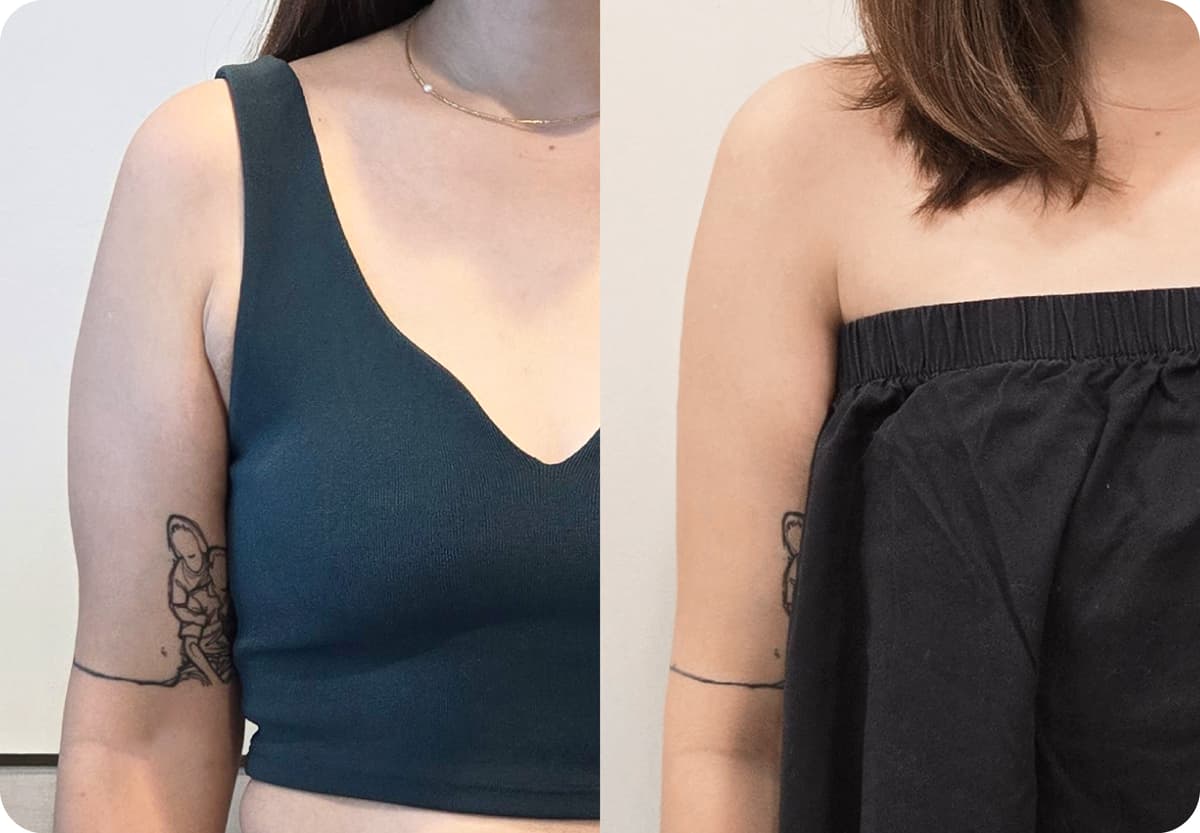
Upper-arm skin begins to hang
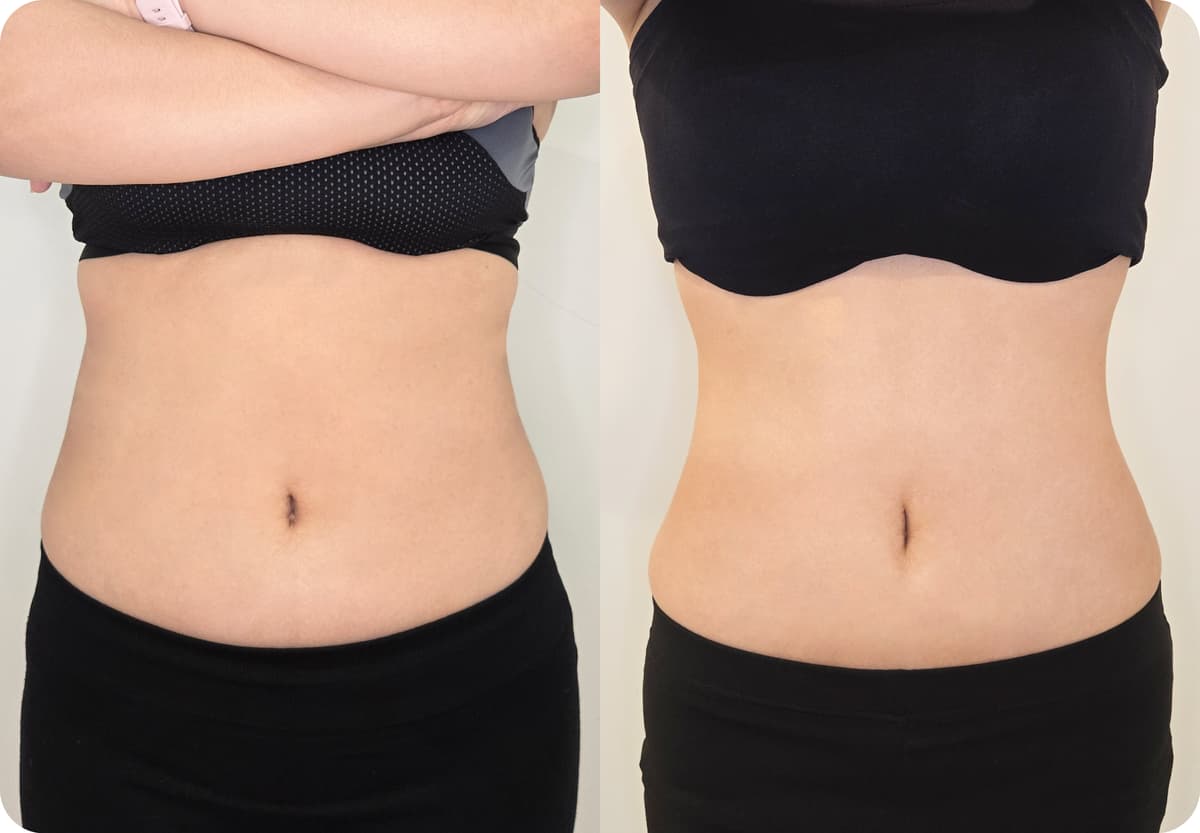
Abdominal skin appears to descend after significant weight loss
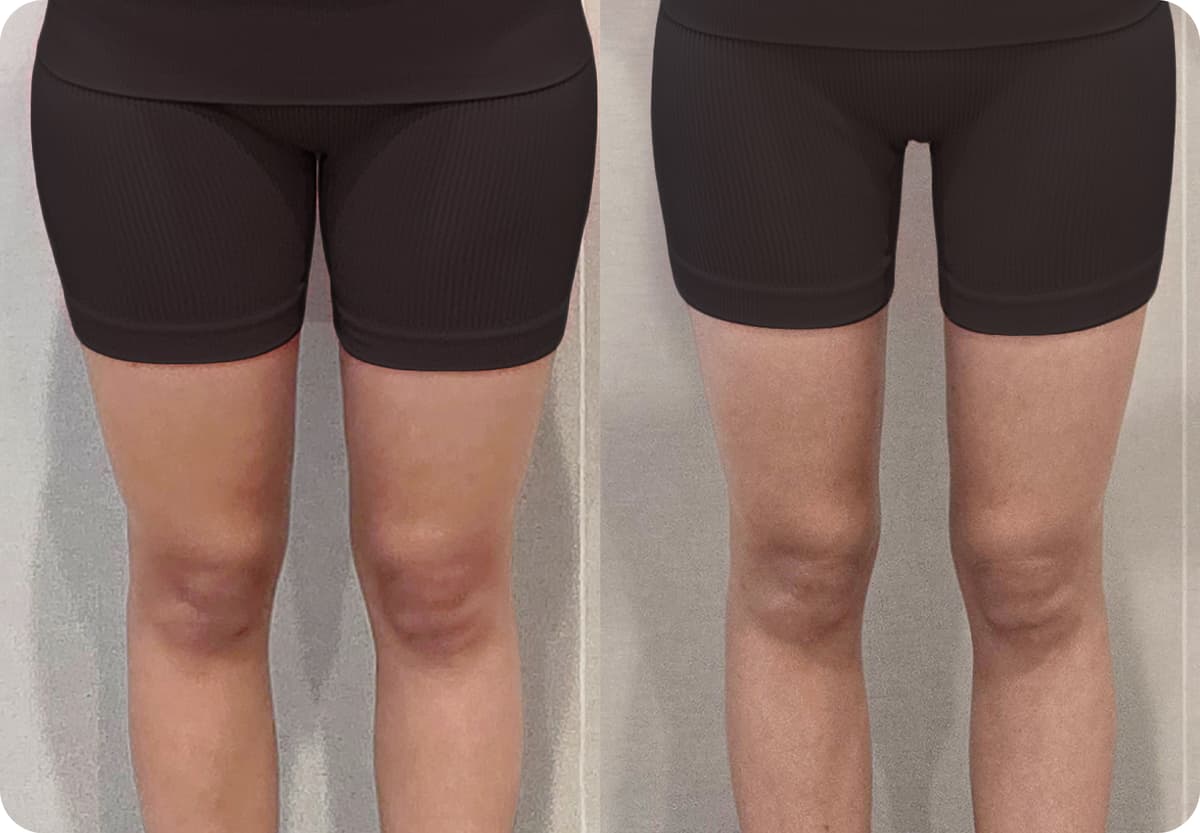
The inner thighs begin to sag due to changes in tissue position
Treatment Options for Skin Lifting
Several technologies can be used to create a lifting effect, depending on the treatment area, degree of sagging, and individual skin condition.
HIFU (High-Intensity Focused Ultrasound)
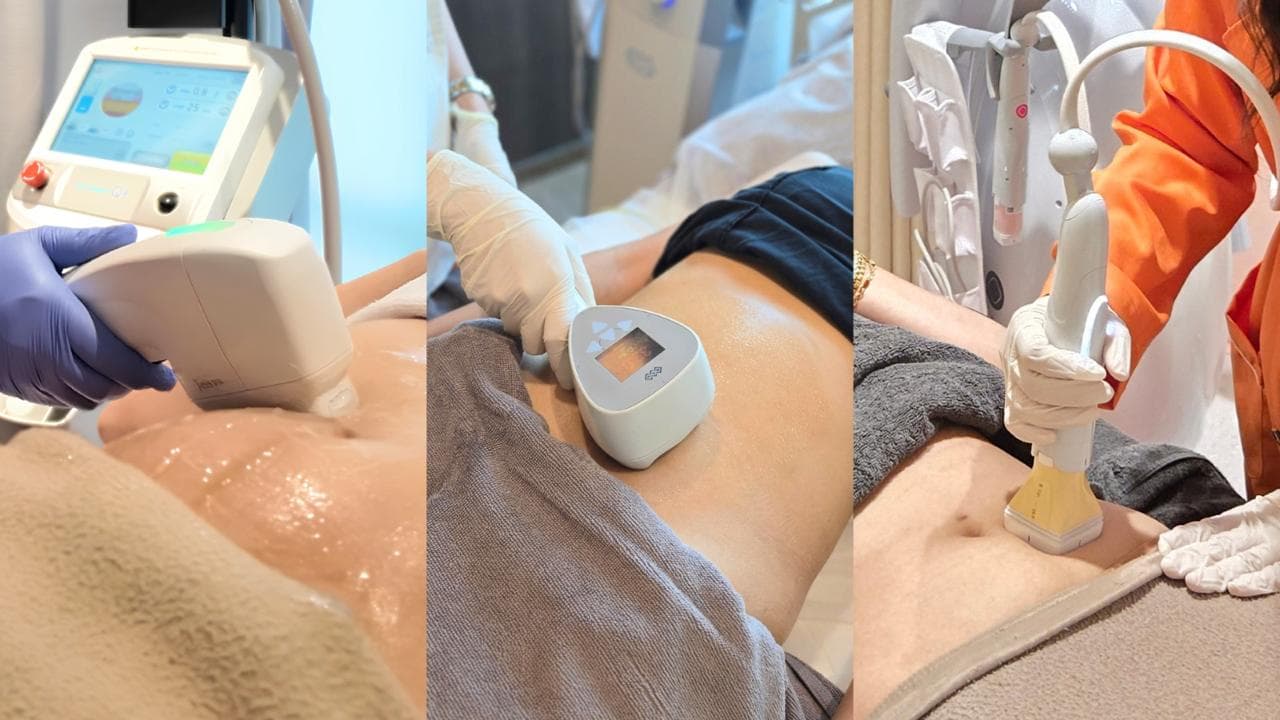
HIFU uses focused ultrasound energy delivered to specific tissue depths beneath the skin.
The energy creates controlled microthermal zones, often referred to as thermal coagulation points, which trigger the body’s natural healing response and stimulate new collagen formation.
Because HIFU can target deeper tissue layers, it is often considered when the goal is to improve areas of the face or body that are beginning to show signs of sagging.
The results generally develop gradually as the body produces and remodels collagen over time.
Volnewmer
Volnewmer uses monopolar radiofrequency (RF) technology to deliver controlled, uniform heat to the skin and underlying tissue.
This thermal stimulation helps promote collagen remodeling and new collagen production, which may gradually improve skin firmness and elasticity.
In addition to improving overall skin quality, Volnewmer may provide a mild to moderate lifting effect in suitable areas. For this reason, it may be considered when the skin is beginning to lose firmness while also showing early signs of sagging.
Skin Tightening: When Skin Loses Elasticity
While skin lifting focuses more on tissue that has begun to descend, skin tightening focuses primarily on improving skin firmness and elasticity.
Skin-tightening treatments generally work by delivering controlled energy into the skin to stimulate collagen production and remodeling.
As collagen formation progresses, the skin may gradually feel firmer, denser, and more elastic.
Skin tightening may be considered when the primary concern is declining skin quality rather than significant tissue sagging.
Signs You May Need Skin Tightening
Face:
Skin feels less firm
Fine lines begin to appear
Pores appear more noticeable
The face looks less firm or toned
Body:
Upper-arm skin feels loose but is not significantly hanging
Abdominal skin loses elasticity after pregnancy or weight loss
Thigh skin feels thinner or less firm
The buttock area appears to have lost firmness
Treatment Options for Skin Tightening
One technology that can be used for skin tightening is Exilis, which uses radiofrequency (RF) energy to generate controlled heat within the targeted tissue.
This thermal energy helps stimulate collagen production and remodeling, gradually improving the quality, firmness, and elasticity of the skin.
Because collagen formation is a natural biological process, skin-tightening results do not usually appear instantly. Improvements may continue to develop over several weeks or months, depending on the initial skin condition, treatment protocol, and individual response.
Skin Tightening vs Skin Lifting: What’s the Difference?
Although both treatments aim to improve the appearance of loose or sagging skin, their primary goals are different.
Skin lifting focuses more on tissue that has begun to descend and alter the contour of the face or body. Skin tightening, meanwhile, focuses on improving skin quality, firmness, and elasticity when the tissue position is still relatively stable.
Some people may primarily need lifting, while others may benefit more from tightening. When both tissue sagging and loss of skin elasticity are present, a combination approach may also be considered.
Which Treatment Is Better for Sagging Skin?
There is no single treatment that is automatically “better” for everyone.
If you notice that the skin on your face or body is becoming less firm, choosing a treatment based solely on trends may not provide the result you are looking for.
The more important question is not “Which treatment is the best?” but rather “Which treatment is most appropriate for my skin condition?”
Not every case of sagging skin requires a lifting treatment, and not every case can be adequately addressed with skin tightening alone.
A professional assessment can help determine whether the primary concern comes from declining skin quality, changes in tissue position, or a combination of both.
Consult with the experts at akasia 365mc to better understand your skin condition and explore whether HIFU, Volnewmer, Exilis, or another treatment approach may be more suitable for your individual needs and goals.